Mindfulness Based Stress Reduction for Moms on a Neurodivergent Parenting Journey: Practices for Navigating Ongoing Stress

How do you live through chronic stress without it swallowing you whole? 

It is a question facing caregiving families like ours who are raising kids with disabilities in a world unwilling to accept, include and accommodate us. 

Approximately 14 million children in the United States, 18.8% of the pediatric population, are reported to have at least one [complex] health care need (Ghandour et al., 2022). 

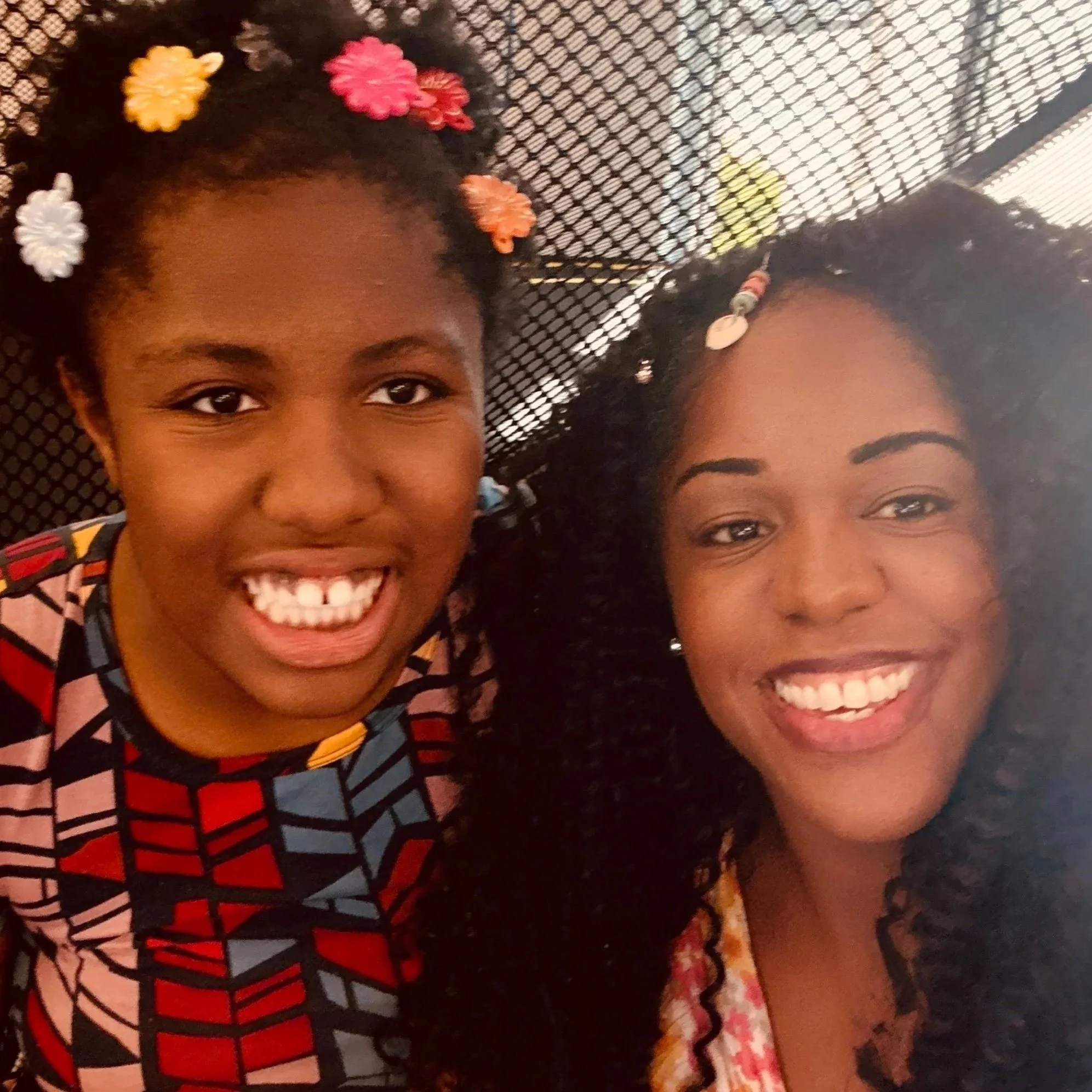
Several years ago, early on in Nai’s diagnosis, we were asked to fill out a questionnaire about our mental health as parents — my husband Kes and I checked off depression and anxiety.  We knew no one else on the neurodivergent parenting journey then & the isolation felt suffocating.  

When we met with the psychologist at our local children’s hospital, we reiterated these same areas of concern.  All I can recall  from our meeting is compliments on our strong advocacy for Nai. No  one bothered to follow up on our mental health.

According to Child Mind Institute - “Studies show that parents of children with developmental, psychiatric, or learning disorders are far more likely than others to experience:

  • Anxiety

  • Depression

  • Insomnia

  • Fatigue

  • Marital Problems

One British study shows chronic stress puts parents (of kids with disabilities) at risk for medical issues as well; {researchers also}  found parents of children with either autism or ADHD had significantly higher levels of both cortisol, the stress hormone, and CRP, a biomarker linked to everything from colorectal cancer to diabetes to heart disease.”

There are days when I still curl up in the bed and collapse under the weight of it all. My husband Kes processes in his own way -  often oscillating between a heavy work schedule, gym time, and binging on Netflix at night to relax.

We have family - our Moms, my Dad (when he was alive, God rest his soul), and a small group of friends who are family. But let’s face it - even the people closest to us are showing in the midst of their own day-to-day challenges. And parents like us - raising kids with high support needs - require well-being practices to sustain us. Because there are many times when we are moving through all of these challenges alone.

In addition to prayer and meditation, five years ago, I decided to enroll in an 8 week online course - Mindfulness Based Stress Reduction, which gave me tools to navigate stress, and opened a deeper awareness around the impact of chronic stress (mind, body and spirit), and various ways to move through it, moment by moment.


What is Mindfulness Based Stress Reduction (MBSR)?

Mindfulness Based Stress Reduction is an evidence-based eight week program developed by Jon Kabat-Zinn in 1979 to reduce “stress, anxiety, and other health issues by changing their relationship to difficult experiences through non-judgmental awareness. It involves weekly classes, a day-long retreat, and daily home practice, focusing on body awareness, breath, and present-moment acceptance to cultivate calm, clarity, and resilience,” according to University of Massachusetts Memorial Health.

There are several core practices of MBSR:

Mindfulness Meditation: Sitting meditation (from various periods of time, i.e. 5 min., 15 min., etc.), and body scans.

Mindful movement: Gentle yoga (child’s pose, supine full body stretch, leg stretch, etc.) / mindful movement.

Present Moment Awareness: Supports us in praying attention to our thoughts, feelings, and sensations without judgment.

Stress Management: Helps us respond to stress, pain, and illness from a sense of presence, not reactivity.


Some Benefits of MBSR for Parents Like Us -

Helps Support our Nervous System: We’re constantly overwhelmed from managing our kids' multi-faceted needs (sensory, dietary, etc.) to moving through unsupportive spaces - schools, family members who don’t understand the journey, etc. Over time, practicing MBSR helps our nervous system become less reactive and more grounded, which in turn helps us to move away from ongoing burnout.

More Self-Compassion, Less Guilt: Mamas, we are HARD on ourselves! And our neurodivergent parenting journey often comes with intense pressure to advocate, support, and play multiple roles simultaneously, chronic guilt over our kids' struggles, and feelings we are not doing enough. Mindfulness cultivates a non-judgmental awareness which allows us to acknowledge our moment-to-moment challenges, and offer ourselves the same kindness we would to a friend.

Intentional Response vs. Reaction: Mindfulness creates necessary space between what is triggering us (maybe it’s our kids' meltdown when we’ve had little sleep, or a tough IEP meeting), and what we do next. And within the pause (thoughtful, attuned & supportive) we have time (a few seconds can make a difference) to back away from those automatic, stress-driven reactions which can lead to escalation.


MBSR Practices You Can Start Now -

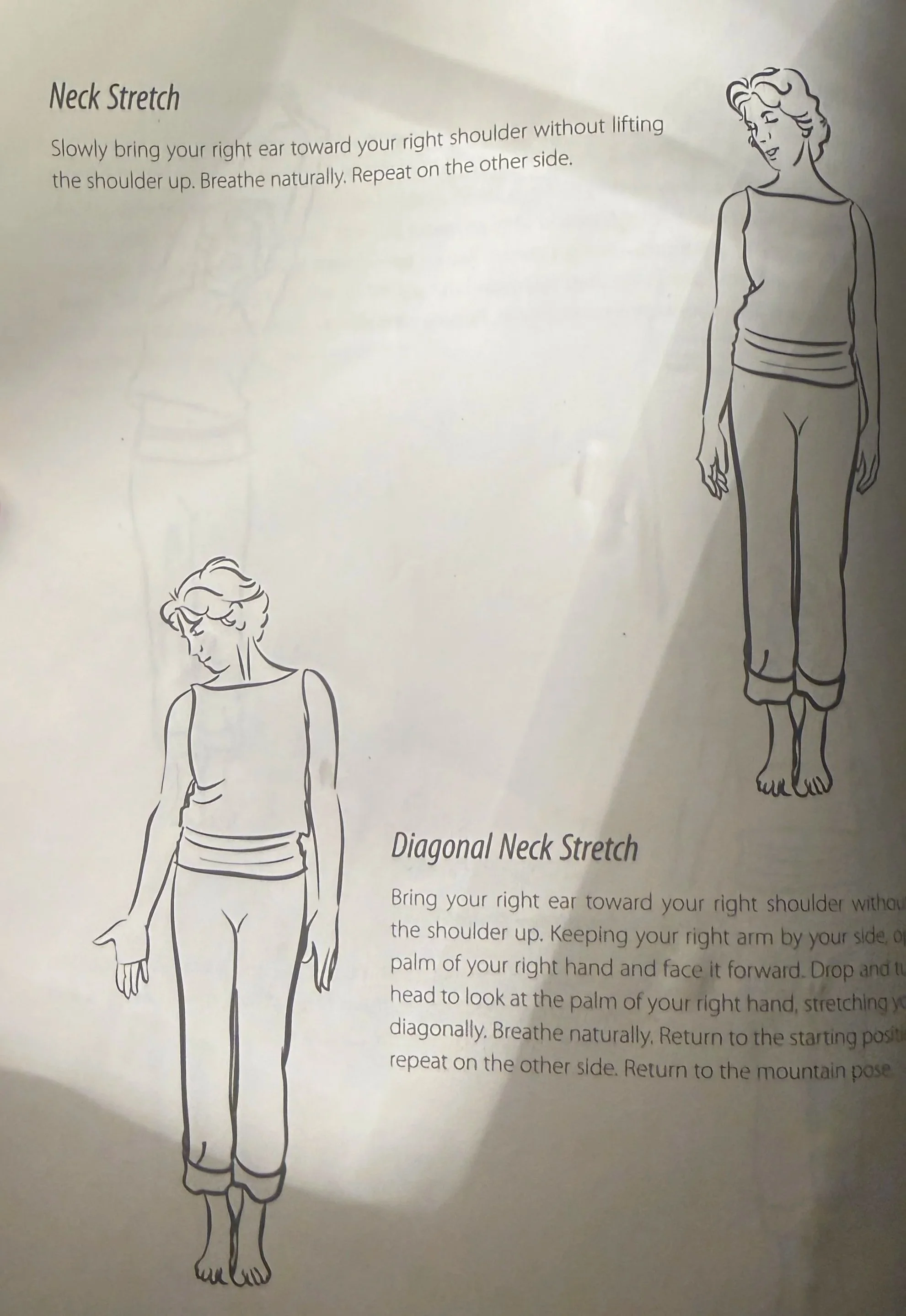
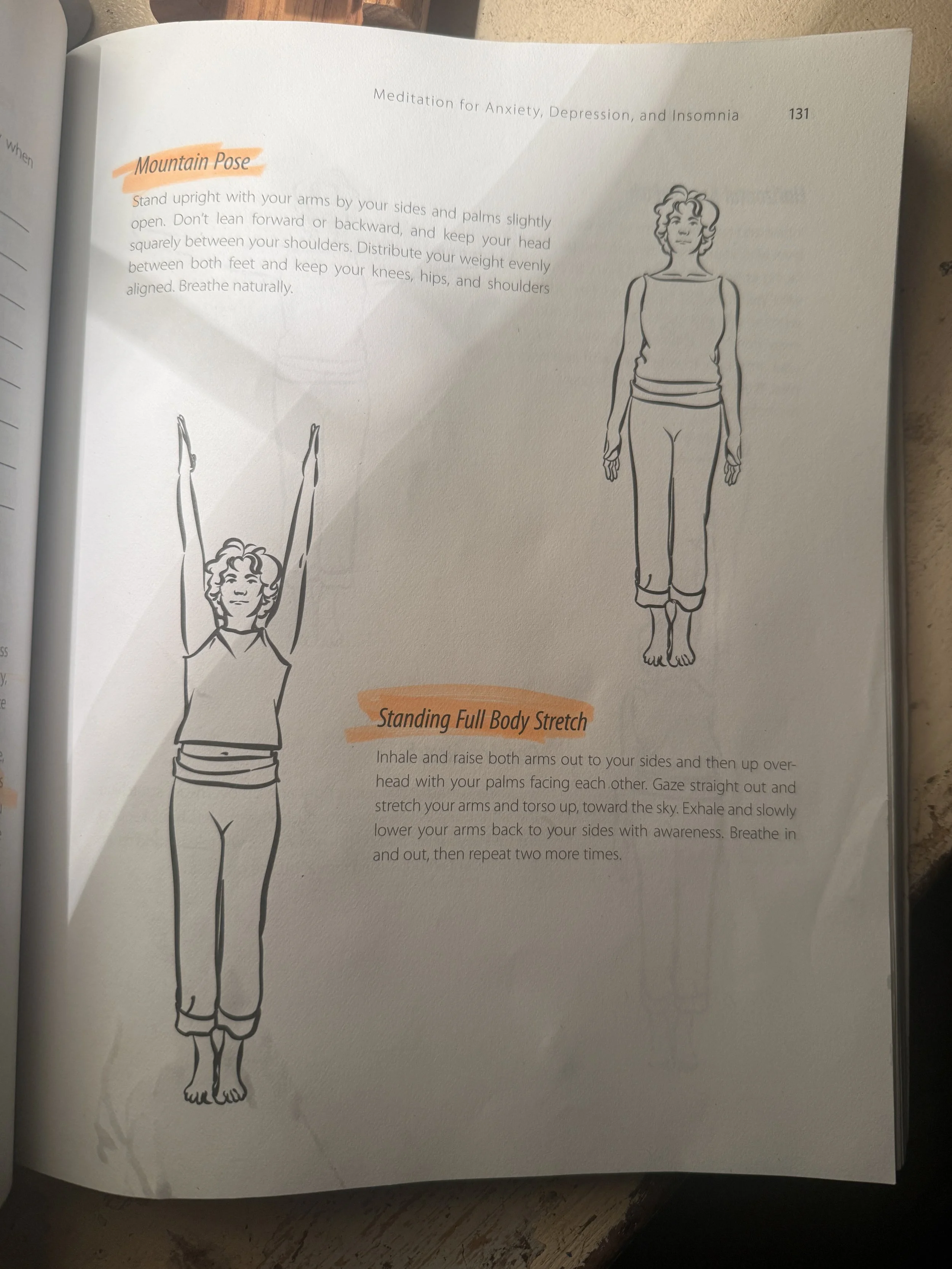
Shake off Overwhelm >> Mindful Movement: Moving the body slowly and gently while noticing sensations arising as you stretch and breathe. It's about feeling the body in motion, not achieving perfection. Some of my favorites are mountain pose, child’s pose and standing full body stretch. Mindful movement helps us release physical stress and provides a break from the constant mental loops of worry and planning. Remember the goal is not fitness, but feeling - giving yourself permission to remain present with whatever arises.

Body Scan Meditation: (Try this when the kids are asleep) Lay down and bring awareness to different parts of the body, noticing any sensations (tension, warmth, tingling, etc.) without judgment. This practice also helps us recognize our body's signals of stress, exhaustion, or impending overwhelm (e.g., a tight jaw, knot in the stomach, or tense shoulders). Identifying these signs can disrupt the stress response before it escalates, or calm us after a stressful experience.

Meditation (Your Breath is an Anchor): Sitting upright (or lying down, whatever resonates) breath in and out slowly - connecting to your breath as an anchor. When the mind inevitably wanders to thoughts, worries, or planning (which it will!) notice the thoughts (you could even say to yourself, I see you overwhelm, worry, etc.), and then gently return the attention to the breath. Mamas like us wade through endless worries (school, therapy, meltdowns, future independence). Coming home to the breath as anchor during meditation allows us to hyper vigilance and panic, and just BE for a few moments.

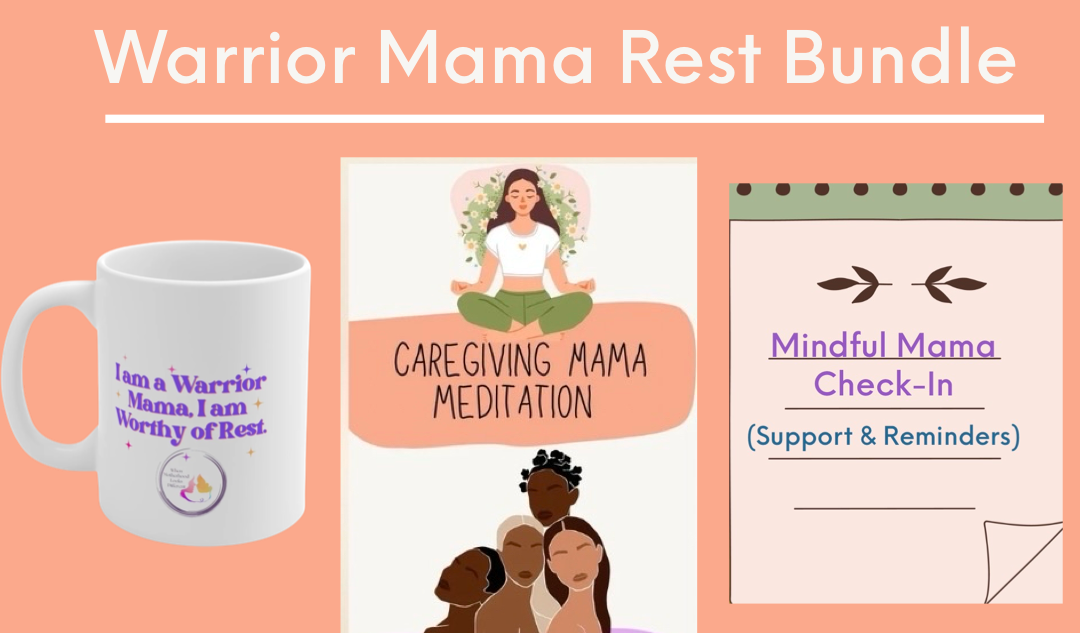
Gentle Reminder: You can do short mediations / deep breathing in the car pool line, or on your lunch break. Check out our Caregiving Mama Affirmation meditation, along with a one min. sample on our Instagram.

Mindfulness of what is Pleasant &Unpleasant: Deliberately notice and acknowledge moments of pleasantness (e.g., your child's joy, sunshine after days of clouds, etc.) and unpleasantness (e.g., an argument, a moment of deep frustration, exhaustion). Notice these experiences as they happen without grasping at the pleasant, or pushing away the unpleasant.

This helps us, as parents, combat negativity bias, which can be intense as we manage our kids’ complex health needs. Rooting in mindfulness awakens us those glimmers, the sparks of good still rising even on tough days - preventing our entire day or week from being defined only by challenges; we normalize emotional honesty - validating difficult emotions without shame, appreciating joy, and calling in self compassion.

Put the cape down, Mama. It’s OK to release what you are carrying. We are worthy of heart-centered care, compassion and support. 

>>> Next month (Jan. 22, 7:30pm) we are diving more deeply into Mindfulness Based Stress Reduction (MBSR) with our Mindful Mama Chat; come and exhale as I guide you  through the S.T.O.P. Practice, and some gentle mindful movements.

>>Register here for free, and bring a Mama friend! 


Additional Resources: 
Respite services  for caregiving  families (search by state) 
https://archrespite.org/caregiver-resources/

A Mindfulness-Based Stress Reduction Workbook


Emelda “E” De Coteau is a certified mindfulness coach, trained in TSD Mindfulness and Mindfulness Based Stress Reduction (MBSR) and the founder of When Motherhood Looks Different, LLC,  a community-based small business helping Mamas of neurodivergent kids and Moms who are neurodivergent center mindfulness and connect in community by offering events, resources, and mindfulness coaching; this work is inspired by her beautiful neurodivergent daughter Nai.

Her writing, which focuses on social justice, anti-racism, neurodivergent parenting, well-being, and spiritual activism (within the progressive Christian tradition), has appeared in Good Faith Media, Spoken Black Girl Magazine, Good Life Detroit, Beautifully Said Magazine, The Baltimore Times, and on the Pray with our Feet website (a podcast & community she co-leads with her Mom, Trudy) where she blogs and shares devotionals on spiritual life and activism.

Next
Next

Holiday Survival Tips for Neurodivergent Families: Prioritizing Peace, not Perfection